
August 6, 2014
Metaketa Announces Four Initial Grants
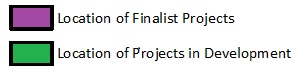
Today, Evidence in Governance and Politics Network (EGAP) Metaketa announces the awarding of grants to innovative experimental research projects that seek to assess the role of information in fostering political accountability in developing countries. Four projects are included among the grantees, while three other projects are under revision; the full slate of winners will be announced in October 2014. Metaketa, which is administered by UC Berkeley’s Center on the Politics of Development, is aimed at maximizing comparability and cumulation of learning across studies. In turn, EGAP will disseminate findings to the broader academic and development policymaking communities.
All of the projects use common informational interventions to assess the impact of providing voters with information about politician performance. In addition, each will involve at least one complementary intervention. In this round, many projects compare the effects of providing information to individual voters (first arm) with the effects of providing information collectively to groups of voters (second arm). This focus on generating “common knowledge” — that is, fostering the perception that information is widely held in a community — may suggest ways of boosting the impact of informational interventions on political accountability.
The awards range from $175,000 to $300,000 in EGAP funding; one project is fully funded from another source. Some of the projects will begin in August 2014, others later, and all will be completed by Spring 2017. Winning projects will collaborate closely, in conjunction with the EGAP Metaketa Selection Committee, with the goal of maximizing the consistency of designs, interventions, and outcome measurement across studies.
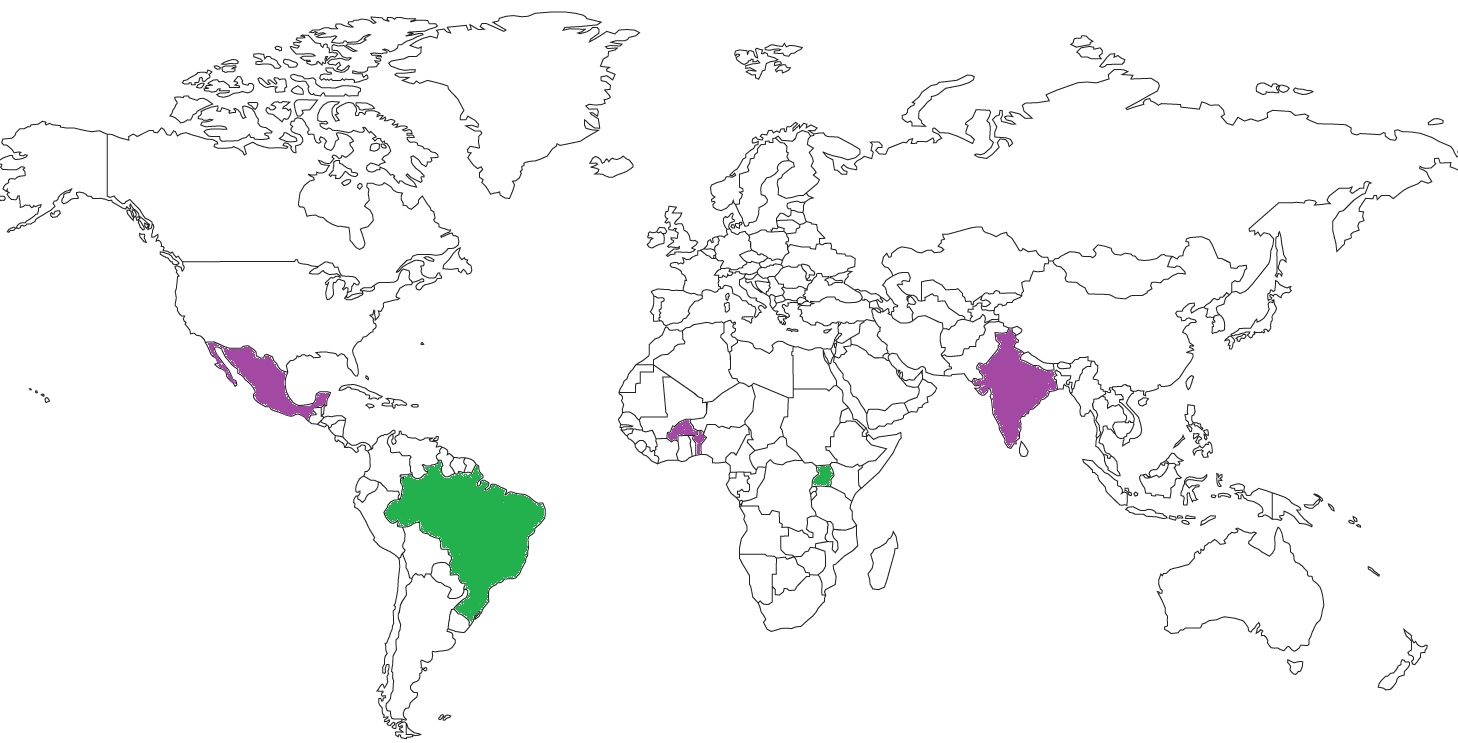
- Can Common Knowledge Improve Common Goods? A Field Experiment in an African Democracy. This project provides citizens in Benin with information about legislator performance while varying (1) the expectations that citizens hold about their legislators’ activities and performance, and (2) whether performance information is private or common knowledge.
- Location: Benin. Principal Investigators: Claire Adida, Jessica Gottlieb, Eric Kramon, and Gwyneth McClendon
- Citizens at the Council: Comparing the Impact of Mediated Information and First-Hand Experience on Voter Turnout in Municipal Elections. This project compares the effects of information about municipal government performance that is communicated through a municipal performance scorecard and that is obtained by witnessing municipal council meetings.
- Location: Burkina Faso. Principal Investigators: Malte Lierl and Marcus Holmlund
- Common Knowledge, Relative Performance, and Political Accountability. This project replicates previous informational interventions in Mexico and extends the focus to two different dimensions of information, the private vs. public nature of information and the role of expectations.
- Location: Mexico. Principal Investigators: Eric Arias, Horacio Larreguy, and Pablo Querubín
- Using Local Networks to Increase Accountability. This project varies the mode of delivery of information about politician malfeasance/criminality in India, comparing the effects of dissemination via door-to-door campaigns to dissemination through public rallies.
- Location: India. Principal Investigators: Simon Chauchard and Neelanjan Sircar
May 16, 2014
Replicate it! A proposal to improve the study of political accountability
CPD Faculty Director, Thad Dunning, and political scientist, Susan Hyde of Yale University, wrote a guest post on EGAP Metaketa in The Monkey Cage.